Mizo Resistance Movement
- Home
- Movement
Rise as a Tribal Leader
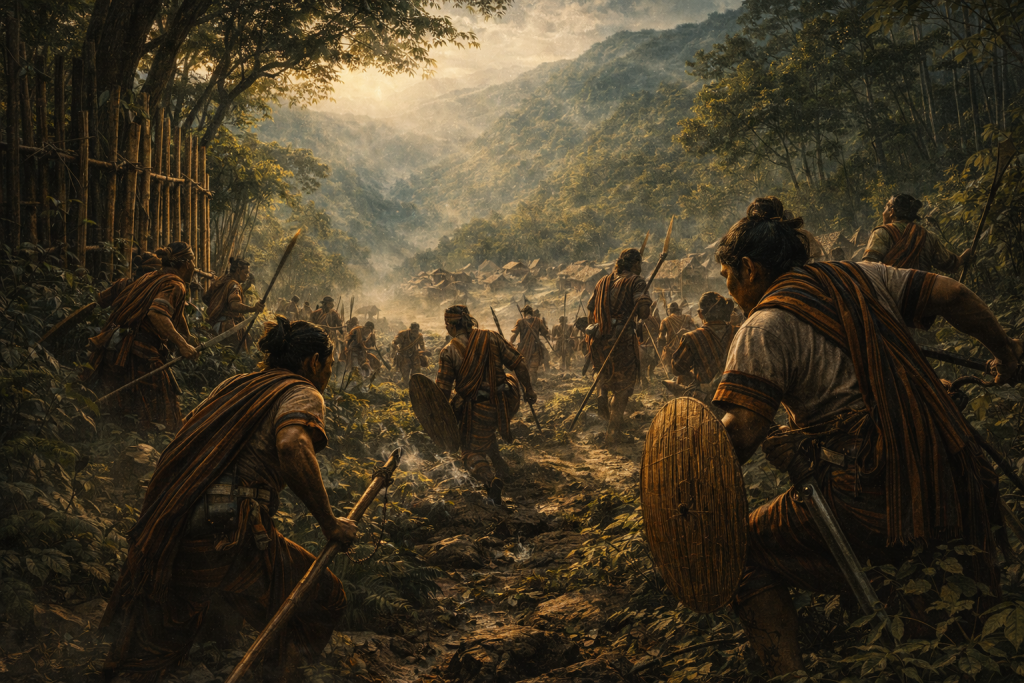
During the nineteenth century, the Lushai Hills—inhabited by various Mizo clans—remained largely independent, governed through a chieftain-based system rooted in customary law, clan loyalty, and community consensus. Each village functioned as a semi-autonomous unit under its chief, maintaining its own defense, land management, and social order. However, as British colonial expansion intensified in Northeast India following the consolidation of power in Bengal and Assam, the hills gradually came under imperial attention. The British sought to secure trade routes, prevent raids on tea plantations in the plains, and extend administrative control over frontier regions. Military expeditions were launched into the hills during the latter half of the nineteenth century, marking the beginning of sustained colonial interference in Mizo territories
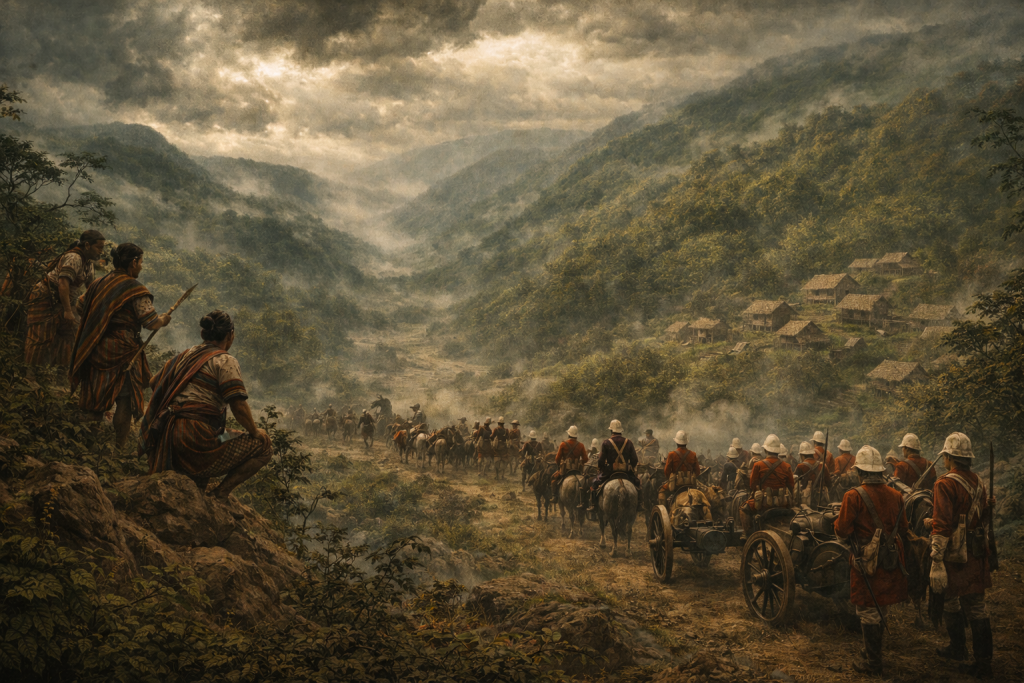
The intrusion of British authority disrupted traditional systems of governance and autonomy. Colonial administrators attempted to impose new political arrangements, redraw boundaries, and introduce external legal and economic structures that were unfamiliar to the Mizo way of life. The imposition of tribute, the restriction of movement, and the dismantling of indigenous authority challenged the deeply rooted chieftainship system. For the Mizo tribes, sovereignty was not merely political—it was cultural and spiritual. Land was communally protected, traditions were orally preserved, and identity was inseparable from territory. The colonial presence therefore represented not only a military threat but also an existential challenge to social order, heritage, and dignity.
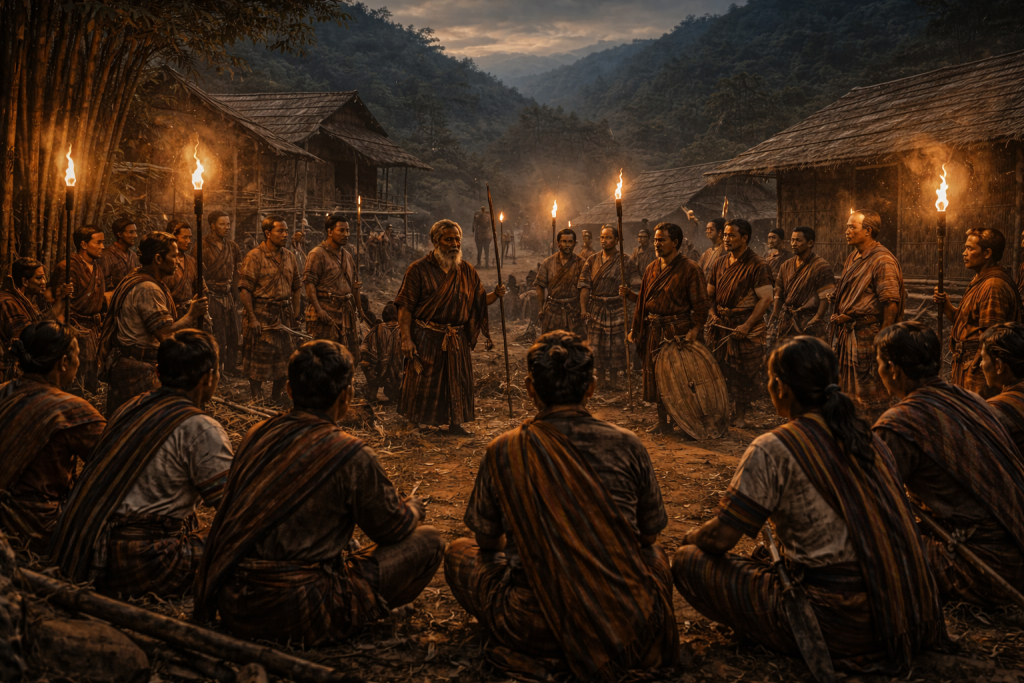
Within this tense and shifting landscape emerged leaders who chose resistance over submission. The Mizo resistance movement was not a single organized rebellion in the modern sense, but rather a series of localized yet determined acts of defiance rooted in the defense of autonomy. Chiefs and community leaders mobilized warriors, reinforced village defenses, and refused to accept external domination. Among these figures, Ropuiliani stands out as a symbol of courage and steadfastness. Her resistance reflected a broader sentiment shared across the hills: that sovereignty, cultural integrity, and ancestral land were worth defending at any cost. The historical context of the Mizo resistance thus reveals a struggle not only against political subjugation, but against the erosion of identity itself—a movement grounded in pride, unity, and the enduring will to remain self-governed.
Rise as a Tribal Leader
Open Defiance
She refused submission to expanding British colonial authority.
- Rejected imposed colonial policies
- Defended traditional chieftainship system
- Opposed foreign administrative control
- Protected ancestral land rights
- Encouraged village-level resistance
- Inspired courage among tribal warriors
Strategic Resistance
Organized unified tribal response against external domination.
- Convened councils with clan leaders
- Coordinated defensive preparations
- Coordinated defensive preparations
- Mobilized local warrior groups
- Preserved communication between chiefs
- Resisted forced political restructuring
Sacrificial Stand
Chose imprisonment over surrendering Mizo sovereignty.
- Remained steadfast political pressure
- Endured arrest with dignity
- Endured arrest with dignity
- Symbolized fearless female leadership
- Strengthened morale through sacrifice
- Became enduring icon of resistance
Guerrilla Strategy & Tribal Mobilization
As colonial forces advanced into the challenging terrain of the Lushai Hills, direct confrontation was often impractical. Instead, resistance relied on deep knowledge of forests, valleys, and mountain paths. Mizo warriors used mobility, surprise, and terrain advantage to counter better-armed forces. Communication moved swiftly between villages through trusted networks, ensuring coordinated responses without centralized command structures vulnerable to disruption.
Tribal mobilization was rooted in unity rather than formal military organization. Chiefs, elders, and warrior groups worked collectively, reinforcing defenses and preparing strategic retreats when necessary.