Freedom Ideals & Cultural Protection
- Home
- Freedom
Defense of Mizo Identity
Cultural Sovereignty
Ropuiliani was born into a prominent Mizo chieftain lineage, where leadership was both a privilege and a responsibility. Her family’s respected position within the tribe shaped her early understanding of governance, honor, and duty toward the community.
Preserving Traditions
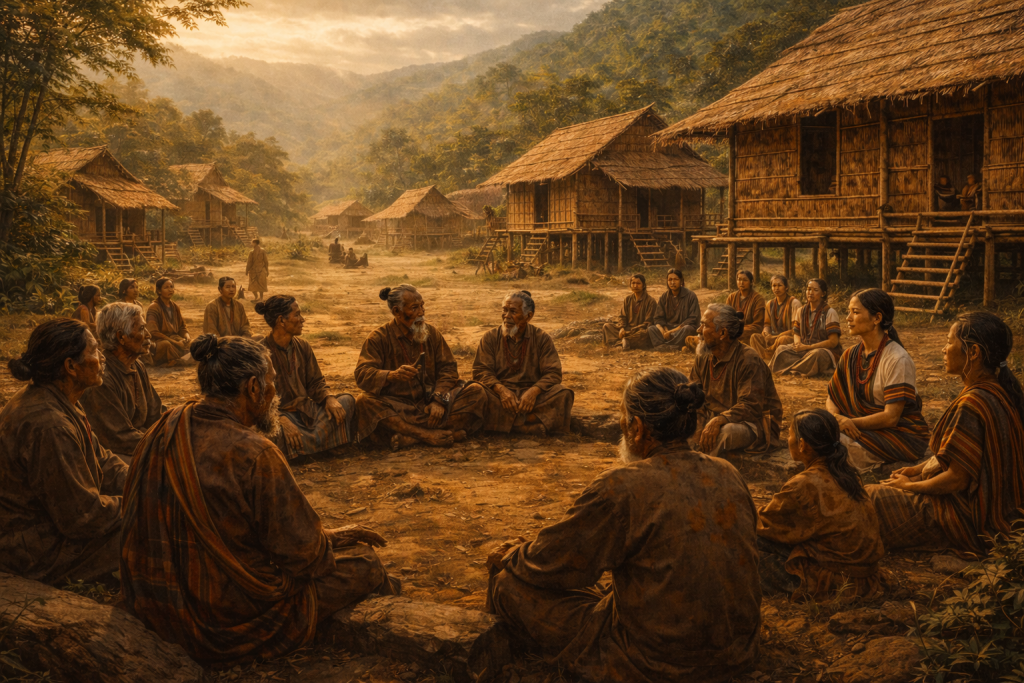
The Mizo tribal system was deeply rooted in clan identity, customary laws, and collective decision-making. Growing up within this structure, she absorbed the values of unity, discipline, and respect for elders that defined Mizo society.
Ancestral Land Rights
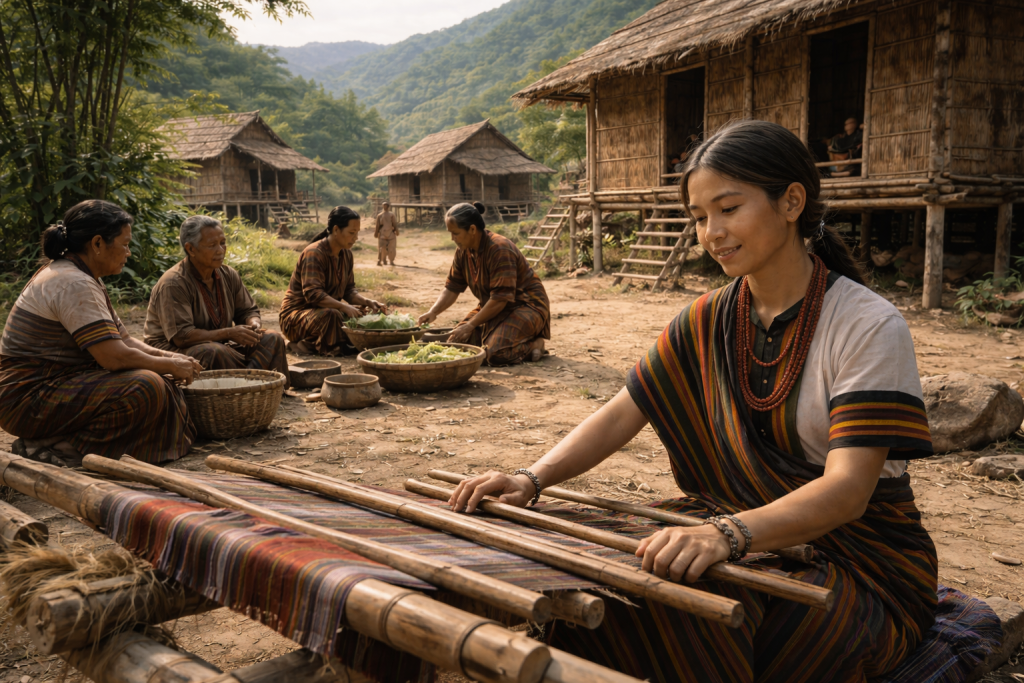
Although leadership was often male-dominated, Mizo women played powerful roles in preserving culture, sustaining households, and guiding community ethics. Ropuiliani embodied this strength, later expanding the role of women in political resistance.
Customary Law
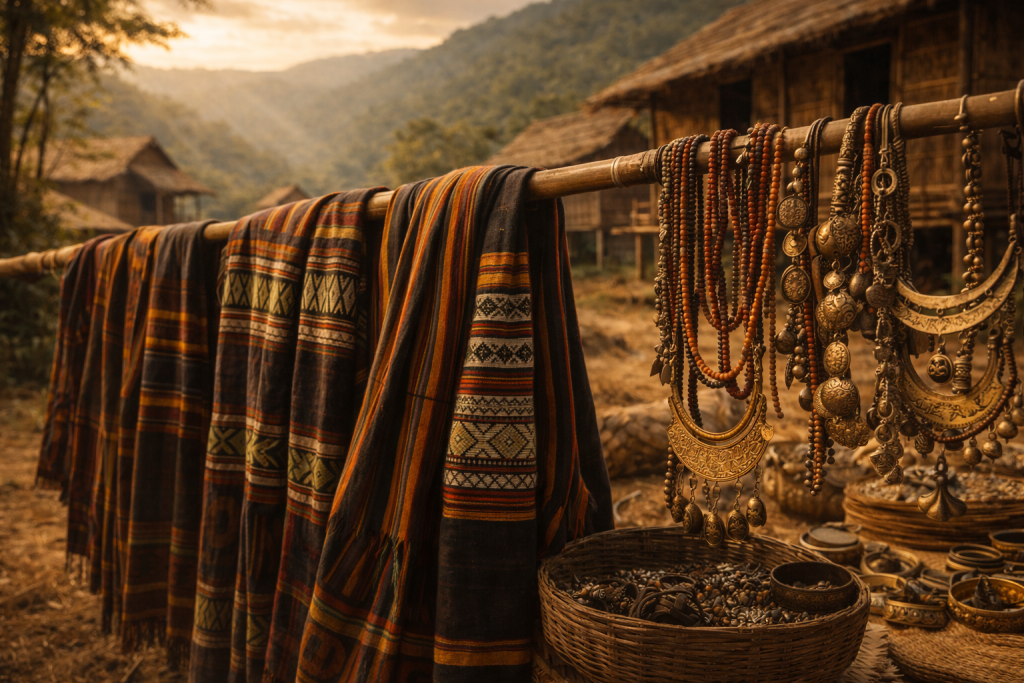
Traditional Mizo attire, woven shawls, and symbolic ornaments reflected social status and tribal pride. These cultural expressions were not merely decorative but represented identity, dignity, and belonging within the community.
Tribal Unity
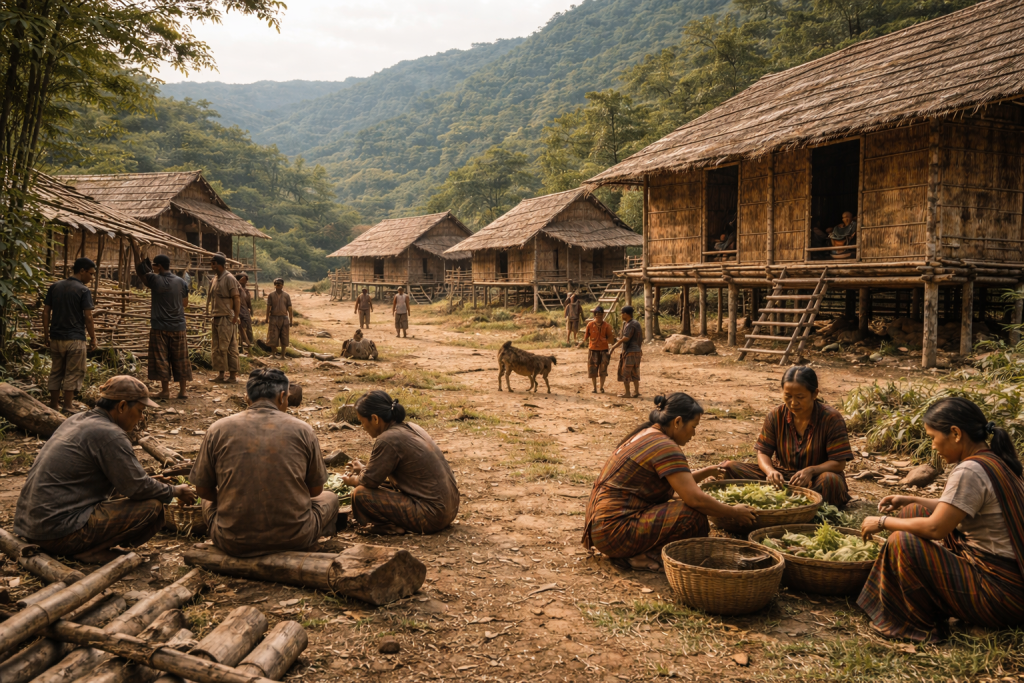
Mizo society thrived on cooperation and shared responsibility. Villages functioned as close-knit communities where collective welfare was prioritized. This environment nurtured Ropuiliani’s deep sense of accountability toward her people.
Heritage Continuity
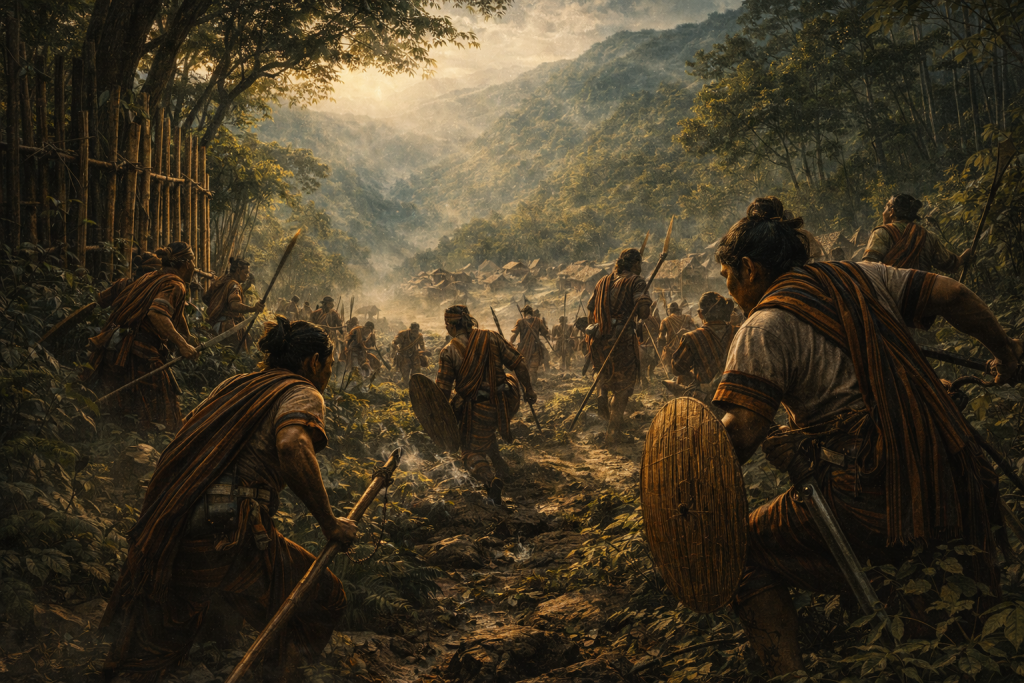
The Mizo tribes carried a legacy of bravery, self-reliance, and defense of their land. Stories of warriors and ancestral struggles inspired Ropuiliani from a young age, shaping her fearless spirit and commitment to sovereignty.
Safeguarding Rituals
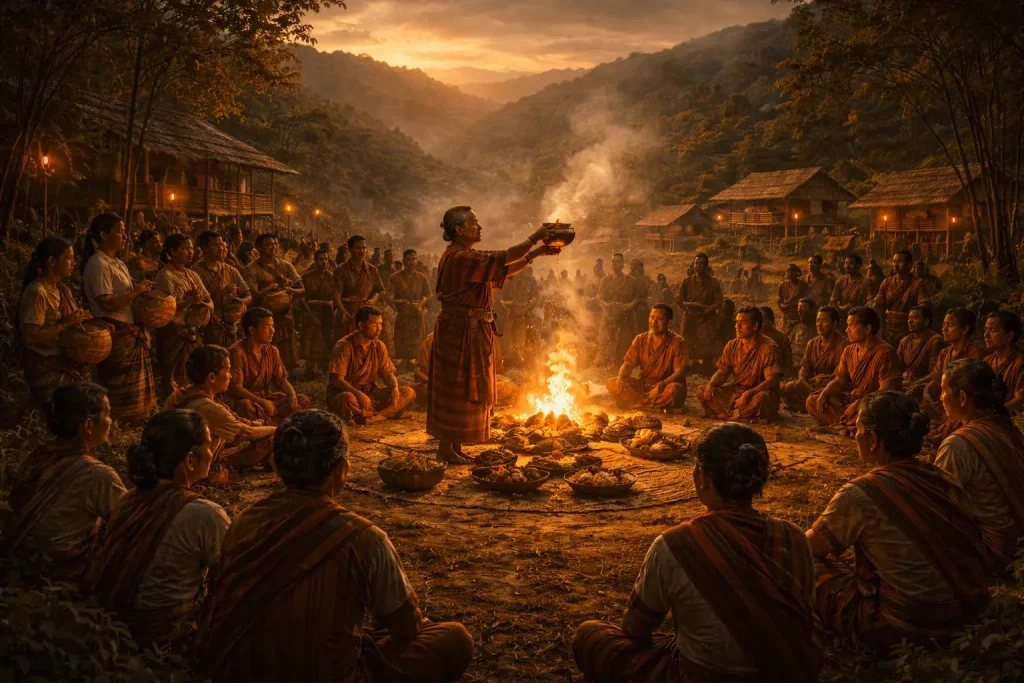
Ropuiliani upheld traditional ceremonies, community gatherings, and ancestral observances that defined Mizo identity. She recognized that rituals were not merely cultural expressions but pillars of unity, continuity, and collective memory within the tribe.
Preserving Oral Heritage
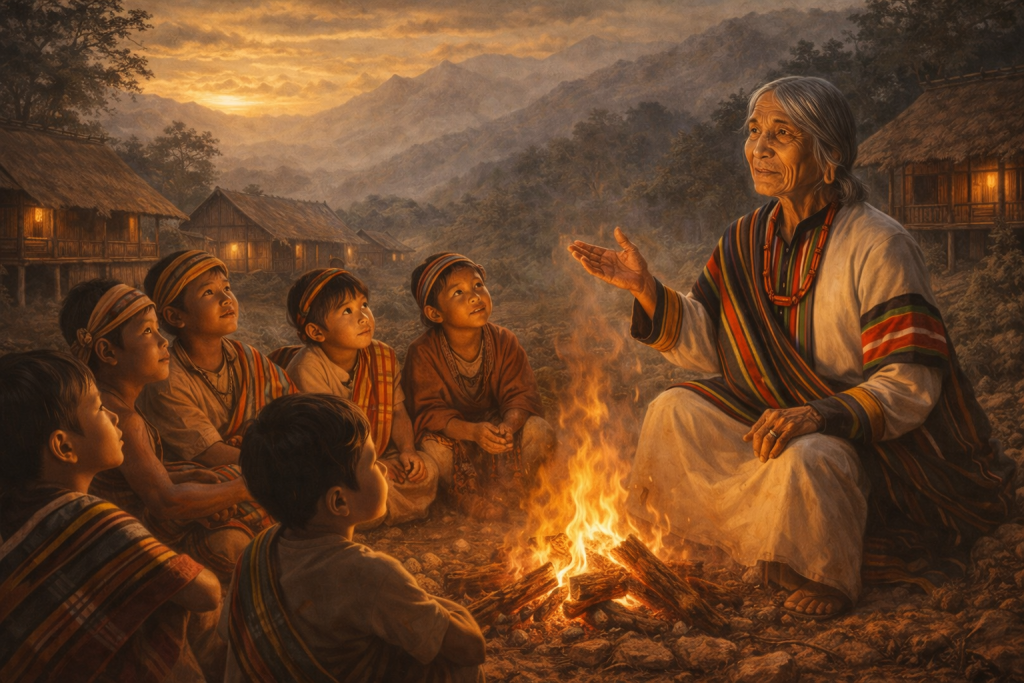
Storytelling, songs, and folklore carried the wisdom of generations. By encouraging the transmission of oral traditions, she ensured that history, values, and moral teachings remained alive despite external pressures.
Defending Social Values
Customary practices shaped community ethics, respect for elders, and shared responsibility. Ropuiliani stood firm in protecting these foundational values, reinforcing dignity, discipline, and harmony within Mizo society.
Spiritual & Cultural Values
Spiritual and cultural values formed the foundation of traditional Mizo society, guiding daily life, leadership, and community relationships. Belief systems were closely connected to nature, ancestral memory, and collective responsibility. Rituals, seasonal observances, and community gatherings strengthened bonds between families and clans, reinforcing unity and moral discipline.
Cultural identity was expressed through traditional attire, music, storytelling, and ceremonial practices. These elements were not merely symbolic—they preserved history, transmitted wisdom, and shaped ethical conduct. Respect for elders, courage in adversity, and loyalty to community were deeply embedded principles that sustained social harmony.
Resistance Philosophy
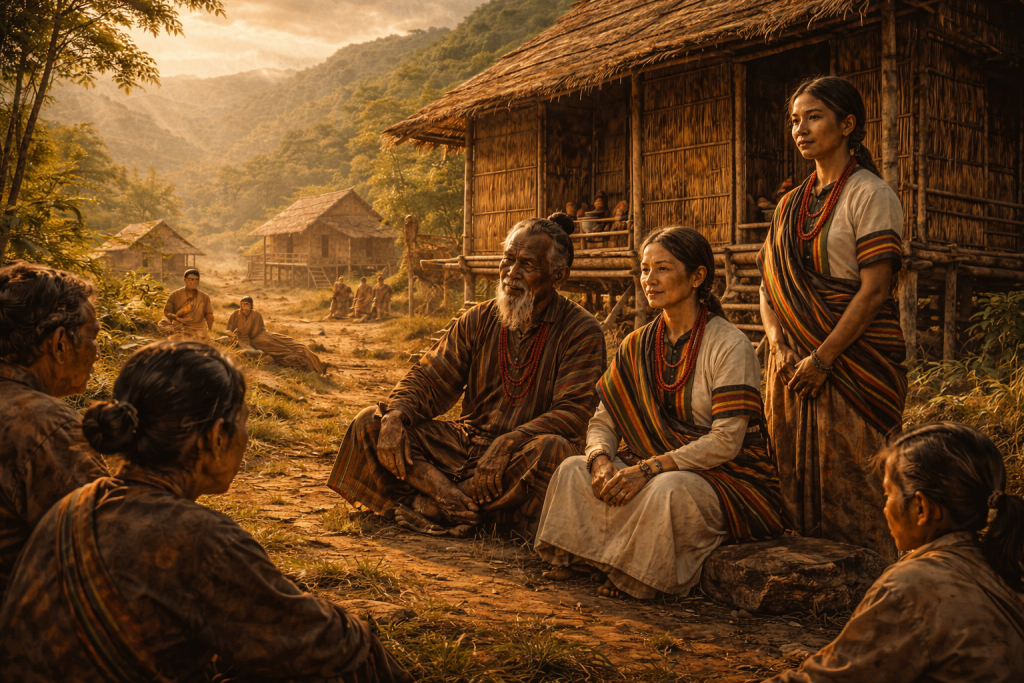
Resistance in the Lushai Hills was not driven solely by conflict, but by a deeply rooted philosophy of sovereignty, dignity, and cultural preservation. For the Mizo people, freedom meant the right to govern according to ancestral customs, protect communal land, and maintain spiritual and social traditions without external interference. Resistance therefore emerged as a moral duty rather than a political ambition.
At its core, this philosophy emphasized collective responsibility. Leadership was not about personal power but about safeguarding the welfare and honor of the entire community. Defending the hills, preserving customary law, and maintaining unity were seen as sacred obligations. Even in the face of military disadvantage, resilience was sustained through courage, faith in tradition, and trust in communal strength.